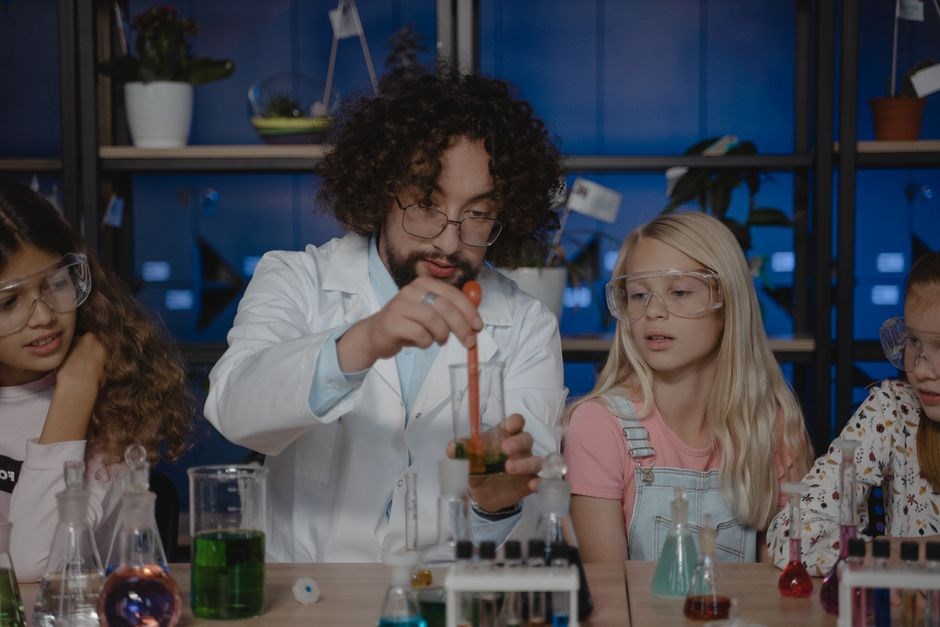
PDF lesson recipes translate complex experiments into step‑by‑step guides, offering theory and hands‑on practice, enabling students to explore chemistry safely and efficiently while fostering critical thinking and lab confidence. Confidence grows!!
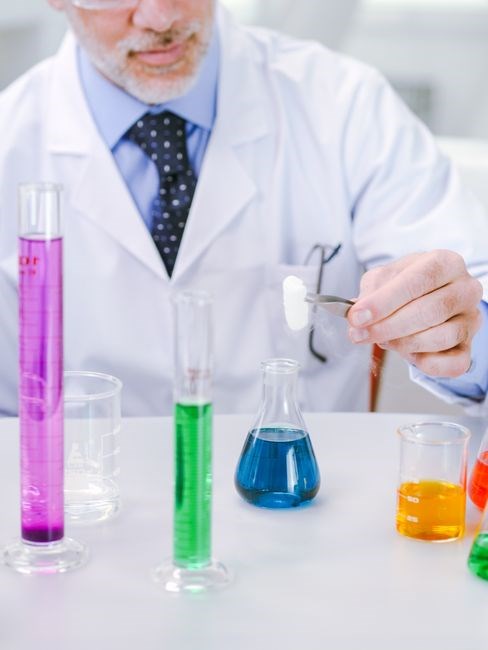
Educational Benefits of PDF-Based Chemistry Recipes
PDF‑based chemistry recipes provide a structured, reusable framework that aligns theoretical concepts with practical execution. By presenting step‑by‑step instructions, safety protocols, and expected observations, students can independently verify hypotheses and refine experimental design. The digital format allows instant updates, version control, and cross‑referencing of related protocols, fostering a culture of continuous improvement. Interactive elements such as embedded videos, hyperlinks to reagent datasheets, and self‑assessment quizzes enhance engagement and reinforce learning objectives. Accessibility features—screen‑reader compatibility, adjustable font sizes, and language translation—ensure inclusive participation for diverse learners. Furthermore, the modular nature of recipes supports differentiated instruction; instructors can assemble customized labs that target specific competencies, from stoichiometry calculations to spectroscopic analysis. The ability to annotate directly on PDFs encourages reflective practice, while cloud‑based sharing promotes collaborative problem‑solving across institutions. Finally, the standardized documentation of procedures aids in reproducibility, a cornerstone of scientific integrity, and prepares students for professional laboratory environments where meticulous record‑keeping is essential. By weaving PDFs into a curriculum, educators can monitor progress, adjust content, and raise chemistry teaching worldwide!!! These PDF recipes also serve as a platform for peer collaboration allowing students to share modifications, troubleshoot issues, collectively refine protocols, reference concerning beyond the classroom.
Common Themes Covered in Chemistry Recipe PDFs
Chemistry recipe PDFs consistently emphasize foundational principles such as atomic structure, periodic trends, and reaction mechanisms, while weaving them into tangible laboratory tasks. They routinely feature stoichiometric calculations, safety protocols, and data analysis techniques, ensuring students grasp both the “why” and the “how” of each experiment. A recurring motif is the integration of quantitative skills—mass‑to‑volume conversions, molarity determinations, and titration curves—paired with qualitative observations like color changes, precipitate formation, and gas evolution. Many recipes also highlight analytical methods, including spectrophotometry, chromatography, and electrochemical assays, providing step‑by‑step guidance on instrument setup and calibration. The pedagogical design often incorporates troubleshooting sections that anticipate common pitfalls, encouraging critical thinking and problem‑solving. Furthermore, many PDFs embed reflective prompts, asking learners to predict outcomes, justify deviations, and connect results to broader chemical contexts such as environmental chemistry or materials science. Finally, the modular structure allows educators to mix and match protocols, fostering interdisciplinary projects that link organic synthesis, inorganic transformations, and physical chemistry concepts into cohesive learning experiences. The digital format also supports hyperlinks to reagent datasheets, safety datasheets, and supplementary videos, enhancing accessibility and reinforcing learning. Many PDFs include assessment rubrics and self‑check questions, allowing students to evaluate their own work against clear criteria. By presenting chemistry as a series of reproducible recipes, these resources demystify complex procedures, promote reproducibility, and cultivate a laboratory mindset that values precision, documentation, and continuous improvement.
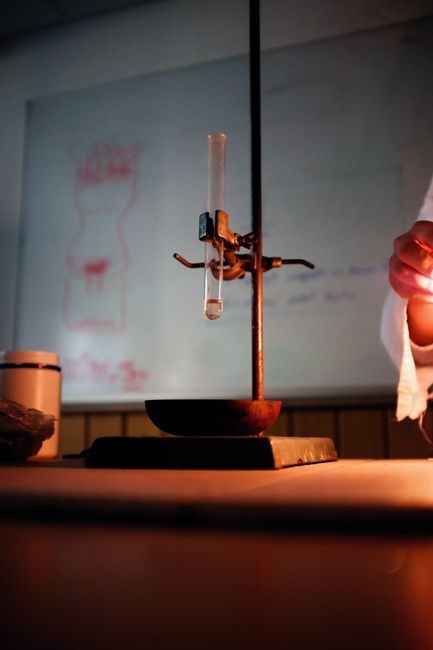
Key Chemical Concepts Illustrated Through Recipes
Recipe‑style chemistry lessons distill core ideas—acid‑base equilibria, redox potentials, kinetic rates, and thermodynamic stability—into reproducible protocols. By guiding students through titration, precipitation, and synthesis steps, they observe pH shifts, electron transfer, and activation barriers firsthand. Stoichiometry is reinforced through mass‑to‑mole conversions, while equilibrium constants emerge from colorimetric titrations and solubility product calculations; Redox couples are explored via electrode setups, allowing learners to calculate standard potentials and predict spontaneous reactions. Kinetic experiments, such as the decomposition of hydrogen peroxide, illustrate rate laws and the influence of catalysts. Thermodynamics is highlighted through calorimetric measurements, where enthalpy changes are quantified and linked to Gibbs free energy. Spectroscopic techniques—UV‑Vis, IR, and NMR—are embedded in recipes to reveal functional groups, electronic transitions, and molecular symmetry. These protocols also emphasize the importance of safety, proper waste disposal, and the use of control experiments. By repeatedly applying the same conceptual framework across diverse reactions, students internalize the language of chemistry, develop quantitative reasoning, and gain confidence in translating theory into practice. The recipes also provide data sets for statistical analysis, evaluation of reproducibility and showing how theory translates into practice.
Practical Laboratory Skills Developed via Recipe PDFs
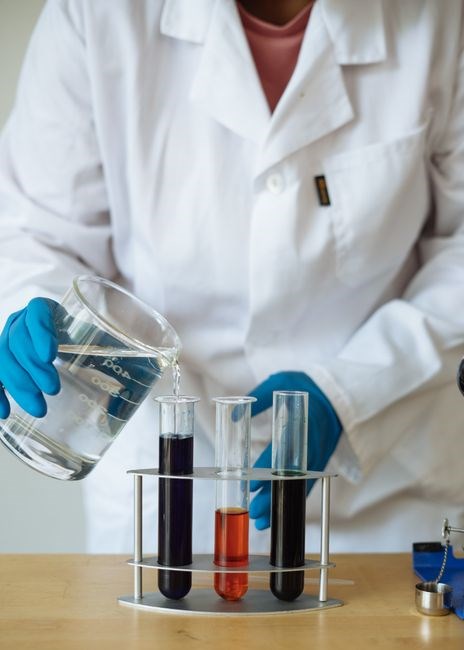
Recipe‑based PDFs turn theoretical protocols into hands‑on practice, honing essential lab techniques that span measurement, safety, and data analysis. Students learn to calibrate burettes, pipettes, and balances, mastering precision in volume and mass determinations. They practice proper titration techniques—adding indicators, controlling drop rates, and interpreting endpoint colors—while developing an intuition for buffering capacity and equivalence points. The recipes emphasize the use of standard solutions, guiding users through serial dilutions and the preparation of calibration curves, which reinforce linear regression and error propagation. Safety training is embedded: students handle corrosive acids, volatile solvents, and hazardous reagents under clear instructions for PPE, fume hood use, and spill containment. Through repeated synthesis steps, learners gain proficiency in weighing, mixing, and reacting under controlled temperatures, learning to monitor reaction progress with visual cues and analytical tools. The inclusion of spectroscopic and chromatographic sub‑protocols—such as UV‑Vis absorbance scans, IR peak assignments, and thin‑layer chromatography—introduces instrument operation, sample preparation, and data interpretation. Students also practice waste segregation, neutralization, and disposal, aligning with institutional and environmental regulations. Finally, the PDFs encourage reflective documentation: lab notebooks, digital logs, and report writing, fostering scientific communication and reproducibility. By integrating these skills into a cohesive, step‑by‑step format, recipe PDFs provide a scaffold that transforms abstract concepts into tangible laboratory competence, preparing students for advanced research and industry roles.
Digital Platforms for Accessing Chemistry Lesson PDFs
Students and educators now rely on a variety of online repositories to locate PDF lesson recipes that blend theory with hands‑on guidance. Open‑access portals such as the OpenStax Chemistry Library host thousands of peer‑reviewed PDFs, each containing step‑by‑step protocols for titrations, synthesis, and analytical techniques. University digital libraries—through institutional subscriptions to Elsevier, Springer, and Wiley‑Blackwell—provide curated collections of PDF lesson plans that align with curriculum standards; The National Center for Biotechnology Information (NCBI) hosts the PubChem database, where users can download experimental protocols in PDF format, complete with safety notes and reagent lists. Educational platforms like Coursera and edX embed PDF lesson recipes into their chemistry courses, allowing learners to download, annotate, and share documents. Mobile‑friendly apps such as LabXchange and MyChemLab offer cloud‑based PDF repositories that sync across devices, enabling students to access recipes offline during field trips or remote labs. Collaborative tools such as Google Drive and Microsoft OneDrive allow instructors to share custom PDF recipes with class groups, while version control features help track updates. These resources are continuously updated, ensuring that learners receive the most current protocols and safety guidelines
Legal and Licensing Considerations for Chemistry PDFs
Legal and licensing considerations are critical when using chemistry lesson PDFs, especially in educational settings. Many PDFs are distributed under Creative Commons licenses, allowing free use with attribution or non‑commercial restrictions. However, some materials remain under strict copyright, requiring explicit permission from authors or publishers. Educators should verify the license type—CC‑BY, CC‑BY‑NC, or public domain—before incorporating PDFs into curricula. Additionally, the Digital Millennium Copyright Act (DMCA) and local copyright laws protect the text, figures, and experimental protocols. When modifying a PDF recipe, the derivative work must still respect the original license terms. For instance, a CC‑BY‑NC PDF can be adapted for classroom use but cannot be sold or used in commercial products. Open‑source chemistry repositories often provide “free‑to‑use” PDFs, but they may still include third‑party data that requires separate clearance. Institutions can mitigate risk by using institutional repositories that host vetted, licensed content. It is also advisable to maintain a record of all licenses and permissions, and to include proper citations in any published or shared derivative. Finally, educators should stay informed about evolving copyright policies and the emergence of open‑access mandates from funding agencies, which may influence the availability and reuse rights of chemistry lesson materials. By routinely checking the license status and ensuring compliance with the terms, teachers can confidently distribute these PDFs while respecting intellectual property rights. This practice not only safeguards institutions from legal risk but also promotes a culture of ethical scholarship among students. Moreover, open‑access licensing encourages collaborative updates, ensuring protocols stay current and fosters learning across institutions!! Students appreciate clarity!!!
Future Trends in Digital Chemistry Education Resources
AI‑driven labs, VR simulations, and adaptive PDFs personalize learning, embed real‑time data, and enable collaboration. Open‑source platforms accelerate peer review, ensuring up‑to‑date chemistry recipes for all students future skill!!!!
PDF Format Advantages: Accessibility and Portability
PDF lesson recipes provide a universal, device‑agnostic format that preserves layout, equations, and embedded media across operating systems and screen sizes. Because PDFs are read‑only, they protect instructional integrity while allowing educators to annotate or highlight without altering the core content. Students can download a single file, view it offline, and print it for in‑class use, ensuring that even those with limited internet bandwidth can access up‑to‑date protocols. The fixed‑page design keeps complex experimental diagrams and safety warnings in a consistent position, reducing misinterpretation. Portable storage on USB drives or cloud services means that a chemistry teacher can share a complete module with a colleague in another country, and the recipient will see exactly the same formatting and interactive elements. The ability to embed hyperlinks, video clips, and interactive quizzes within a single document further enhances learning, allowing learners to explore supplementary resources without leaving the PDF. Moreover, PDF accessibility tools—such as text‑to‑speech, high‑contrast modes, and screen‑reader compatibility—make chemistry recipes usable for students with visual impairments. The combination of durability, cross‑platform compatibility, and rich media support makes PDFs an ideal vehicle for disseminating chemistry lesson recipes worldwide. These PDFs enable students to document experiments, share data, and collaborate, fostering deeper understanding and scientific communication!! for all!
Interactive Elements in Modern Chemistry PDFs

Modern chemistry lesson PDFs embed a range of interactive features that transform static text into dynamic learning experiences. Form fields let students record experimental data directly within the document, while drop‑down menus provide multiple‑choice questions that auto‑grade when the PDF is opened in a compatible viewer. Embedded videos illustrate reaction mechanisms, allowing learners to pause, rewind, and replay complex steps without leaving the lesson. Hyperlinks connect to external databases, enabling instant access to updated safety sheets or supplementary reading. JavaScript‑based quizzes can check calculations in real time, offering immediate feedback on stoichiometry or pH determinations. Annotations support collaborative discussion, as classmates can leave comments or highlight key points that instructors can later review. Dynamic charts update when input values change, giving students a visual representation of how variables influence reaction yields. These interactive elements not only increase engagement but also reinforce conceptual understanding by encouraging active participation and self‑assessment. By integrating such features, educators can create a seamless bridge between theory and practice, ensuring that learners remain motivated and confident as they navigate the complexities of chemical experimentation.
Such PDFs empower students to experiment safely, record data accurately, and reflect on outcomes, thereby bridging the gap between textbook theory and real‑world laboratory practice. Learn grow.!
Sample Recipe: Acid-Base Titration Protocol
Materials: 0.1 M NaOH solution, 0.1 M HCl solution, phenolphthalein indicator, 25 mL burette, 100 mL conical flask, 10 mL pipette, distilled water, safety goggles, lab coat, gloves; Procedure: 1. Rinse the burette with NaOH, then fill it, discarding the first 5 mL to eliminate air bubbles. 2. Pipette 25 mL of 0.1 M HCl into the flask, add 2–3 drops of phenolphthalein. 3. Titrate slowly, swirling constantly, until the solution turns faintly pink and remains for 30 s. 4. Record the burette reading. 5. Repeat the titration twice more to obtain an average volume. Calculations: Determine the moles of NaOH used (M × V) and compare to moles of HCl. The equivalence point confirms the neutralization stoichiometry. Safety: Handle acids and bases with care, avoid splashes, and dispose of waste according to institutional guidelines. Reflection: Discuss the importance of precise volume measurement, the role of the indicator, and how experimental error can affect the calculated concentration. This protocol demonstrates the fundamentals of titration, including solution preparation, indicator function, and quantitative analysis. Students should record the initial burette reading before adding the acid, ensuring volume calculations. The titration curve can be plotted by recording volume vs. pH to visualize the equivalence point. Additionally, performing a blank titration with distilled water helps identify systematic errors. Finally, students should clean glassware and store reagents properly.
Sample Recipe: Synthesis of Aspirin from Salicylic Acid
Materials: 5 g salicylic acid, 10 mL acetic anhydride, 5 mL glacial acetic acid, 5 drops concentrated sulfuric acid, 50 mL ethanol, 100 mL beaker, magnetic stir bar, ice bath, filtration apparatus, silica gel, rotary evaporator, safety goggles, lab coat, gloves. Procedure: 1. Dissolve salicylic acid in 10 mL acetic anhydride in a 100 mL beaker, add 5 drops of sulfuric acid as catalyst, and stir at 50 °C for 30 min. 2. Cool to room temperature, then pour the mixture into 50 mL ethanol, stirring to precipitate acetylsalicylic acid. 3. Filter the solid, wash with cold ethanol, and dry under vacuum. 4. Recrystallize from hot ethanol to obtain pure aspirin crystals. 5. Verify purity by melting point (approximately 135 °C) and IR spectroscopy (strong ester C=O stretch at 1700 cm⁻¹). Safety: Handle acetic anhydride and sulfuric acid with caution; avoid inhalation and skin contact. Dispose of waste in accordance with institutional guidelines. Reflection: Discuss the esterification mechanism, the role of acid catalyst, and how reaction conditions influence yield and purity. This recipe illustrates key synthetic concepts, including nucleophilic acyl substitution, purification techniques, and analytical confirmation.
Students should meticulously record all observations, noting any color changes, temperature fluctuations, and precipitation times. Calculating the percent yield and comparing it to the theoretical maximum helps assess the efficiency of the synthesis. Additionally, students can perform a thin‑layer chromatography analysis to verify the purity of the product. Discussing potential side reactions, such as hydrolysis of the ester, reinforces the importance of controlling reaction conditions. Finally, reflecting on safety practices and environmental impacts encourages responsible laboratory conduct. Hands‑on practice! Now.
Assessment Rubrics Embedded in PDFs
Embedding assessment rubrics directly into PDF lesson recipes transforms passive reading into interactive evaluation. A well‑structured rubric aligns learning objectives with measurable outcomes, allowing students to self‑check progress before, during, and after the experiment. Typical rubric categories include: Scientific Rationale (clarity of hypothesis and expected results), Methodological Accuracy (proper technique, safety compliance, and data recording), Data Analysis (correct calculations, error estimation, and interpretation), and Reflection & Communication (quality of written report and oral presentation). Each criterion is scored on a 0‑5 scale, with descriptors for each level to guide grading. PDF hyperlinks can link rubric sections to corresponding experiment steps, while embedded form fields let students annotate directly on the page. Teachers can export completed rubrics for quick feedback, and analytics tools can aggregate class performance to identify common misconceptions. This integration promotes formative assessment, encourages metacognition, and supports differentiated instruction by allowing learners to target specific skill gaps. Ultimately, embedded rubrics elevate the pedagogical value of chemistry recipe PDFs, ensuring that the learning experience is both measurable and meaningful. Students can also export the rubric as a CSV file for data analysis. This feature supports grading and tracking.!! Students can also share rubrics with peers!!
Integration with Learning Management Systems (LMS)
Embedding chemistry recipe PDFs into a Learning Management System (LMS) streamlines curriculum delivery, assessment, and analytics. By uploading PDFs as SCORM-compliant modules, instructors can track student interaction—time spent, page views, and completion status—within the LMS dashboard. Interactive form fields embedded in the PDF allow learners to submit lab notes, calculations, and reflective responses directly to the LMS gradebook, eliminating the need for separate uploads. Automatic grading scripts can parse numeric entries, compare them to expected ranges, and assign points based on a pre‑defined rubric, providing instant feedback. Moreover, the LMS can trigger adaptive pathways: if a student scores below a threshold on a safety protocol section, the system can redirect them to a remedial micro‑lesson or a video demonstration. Version control is simplified; instructors upload updated recipe PDFs, and the LMS notifies enrolled students of changes, ensuring everyone works from the latest protocol. Integration also supports accessibility: PDFs can be tagged for screen readers, and the LMS can enforce compliance with WCAG standards. Finally, analytics dashboards aggregate data across cohorts, revealing trends such as common calculation errors or time‑to‑completion bottlenecks, enabling data‑driven instructional refinement. Students can export rubrics as CSV files for analysis, and instructors can generate progress reports that highlight strengths and gaps today!
Open-Source vs Commercial Chemistry PDF Collections
Commercial collections, on the other hand, are typically produced by specialized publishers who invest in rigorous peer review, high‑resolution graphics, and interactive modules that integrate seamlessly with LMS platforms. The licensing terms often require a subscription or one‑time purchase, and the content is usually locked behind a paywall, limiting free redistribution; However, these resources come with professional support, detailed metadata, and built‑in analytics that allow educators to monitor student engagement and learning outcomes. By integrating these PDFs into an LMS, instructors can set up automated feedback loops: a student’s annotations are automatically scanned for completeness, and the system flags missing steps or potential safety oversights. This not only reinforces procedural rigor.
Open‑source PDFs empower educators to adapt protocols to local contexts, ensuring relevance. They foster collaborative annotation, peer review, and make chemistry lessons responsive to emerging research !!!.
In addition, the modular nature of PDF recipes allows educators to bundle related experiments into themed units, such as redox chemistry, organic synthesis, or analytical techniques, and to interleave theoretical quizzes with hands‑on tasks. Students can annotate PDFs directly, highlighting key equations, noting assumptions, and embedding hyperlinks to external resources such as simulation tools or scholarly articles. The PDF format also supports embedding of high‑resolution images, reaction schemes, and spectroscopic data, providing a rich visual context that enhances comprehension. By integrating these PDFs into an LMS, instructors can set up automated feedback loops: a student’s annotations are automatically scanned for completeness, and the system flags missing steps. This not only reinforces procedural rigor. Students gain confidence and critical thinking skills!! Learn more!!!
Community-Driven Updates and Peer Review
Community‑driven updates transform static PDF recipes into living documents. In open‑source repositories, educators and researchers collaboratively revise protocols, add safety notes, and incorporate the latest analytical techniques. Peer review is facilitated through version control systems such as Git, where each change is logged, discussed, and approved by a panel of subject‑matter experts. The review workflow typically follows these steps: a contributor submits a pull request, reviewers comment on clarity, accuracy, and reproducibility, and the maintainer merges the update after consensus. This iterative process ensures that the PDF remains current with evolving chemical nomenclature, regulatory standards, and emerging pedagogical strategies. Moreover, community annotations can be exported as metadata, allowing learning management systems to track which sections students engage with most. The open‑source model also encourages cross‑disciplinary collaboration; for instance, a biochemist may adapt a synthetic route to highlight enzyme‑catalyzed transformations, while a physics instructor may integrate kinetic data to illustrate reaction rates. The result is a dynamic, peer‑validated resource that adapts to institutional needs, student feedback, and scientific progress. By embedding these PDFs in a shared knowledge base, educators can collectively curate a curriculum that reflects real‑world laboratory practices, promotes reproducibility, and fosters a culture of continuous improvement. Students benefit from transparent revision histories, enabling them to trace the evolution of a protocol and understand the rationale behind each modification. This transparency builds trust in the material and encourages active participation in the scholarly community. Ultimately, community‑driven updates and rigorous peer review elevate the quality of chemistry lesson PDFs, ensuring they remain authoritative, accessible, and pedagogically sound for generations of learners.