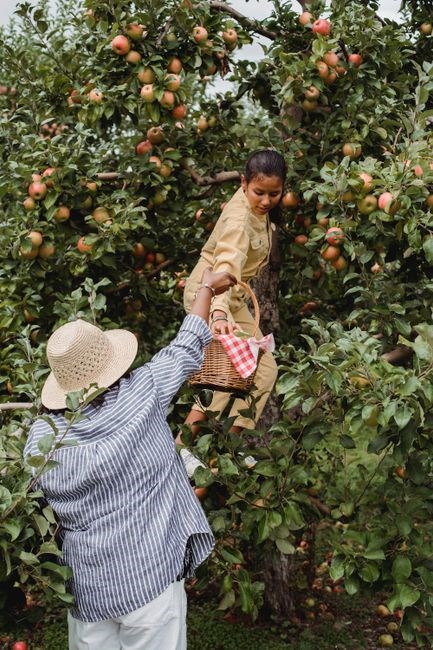
Overview of Johnny Appleseed
Explore the Johnny Appleseed story PDF, a free download from the Internet Archive. It contains 84.3 MB of genealogy, poems, and illustrations, offering a comprehensive look at John Chapman’s legacy and his pioneering apple‑planting adventures. Download it today and share the legend for all.!
Biography Summary
John Chapman, famously known as Johnny Appleseed, is chronicled in a comprehensive PDF available through the Internet Archive. The 84.3‑megabyte file contains a rich tapestry of genealogical records, poems, and illustrative sketches that trace his journey from a modest upbringing in Massachusetts to becoming a legendary figure on the American frontier. The document opens with a concise biographical sketch, noting Chapman’s birth in 1774 and his early fascination with apple cultivation. It then delves into his formative years, highlighting the influence of his family rural communities that shaped his ethos of stewardship and generosity. The PDF further explores his migration across the Midwest, detailing the routes he traversed—guided a natural abundance of wild apple trees. It emphasizes his commitment to planting apple orchards in a sustainable manner, using techniques that promote soil health and biodiversity. Throughout the biography, the narrative underscores Chapman’s role as a cultural icon, whose legend has inspired countless poems, songs, and children’s stories. The PDF also includes excerpts from contemporary accounts and later historical analyses, offering readers a nuanced perspective on his impact. By providing both primary sources and scholarly commentary, the document serves as an invaluable resource for anyone interested in the life of this pioneering horticulturist and the enduring legacy he left across the United States.

Early Life and Family
John Chapman, born 1774, grew up in a modest Massachusetts farm family. The PDF contains genealogical records detailing his parents, siblings, and early influences. It highlights his rural upbringing, shaping his future as a pioneer apple planter. A PDF archive offers deeper insights. now!!
Genealogical Records
The Johnny Appleseed story PDF, hosted on the Internet Archive, presents an exhaustive genealogical record of John Chapman (1774‑1845). The 84.3‑MB file, catalogued on 2008‑12‑09, is produced by the Fort Wayne, Ind. Public Library of Fort Wayne and Allen County Collection, with contributions from the Allen County Public Library Genealogy Center. Within the PDF, readers find detailed lineage charts, birth and death certificates, and marriage documents that trace Chapman’s ancestry back to early colonial settlers. The archive also includes scanned copies of land deeds and census records that place the family in rural Massachusetts before their migration westward. Scholars and hobbyists can cross‑reference the genealogical data with other historical sources, such as the “The Story of Johnny Appleseed” publication dated 2025‑09‑04, which expands on the family’s migration patterns. The PDF’s metadata lists the language as English and notes the item’s size, ensuring users are aware of the download’s scope. For those interested in deeper research, the archive links to related documents, including poems and songs that celebrate Chapman’s legacy. By providing primary source materials, the Johnny Appleseed story PDF serves as a vital tool for anyone studying the early life and family background of America’s beloved apple planter.
Migration and Settlement
Johnny Appleseed’s migration PDF traces his westward trek from Massachusetts to Ohio, Illinois, and beyond. It details routes, settlement sites, and orchard foundations, offering maps, diaries, and land deeds that illuminate his pioneering journey across America The PDF includes trail maps and note
Migration Routes
Johnny Appleseed’s migration PDF offers a cartographic and narrative record of his westward journey from New England in 1796, following the Great Lakes corridor into Ohio, then southward toward the Illinois River Valley. It includes annotated maps that illustrate key waypoints—Ohio River crossings, the Wabash River, and the Green River Valley—highlighting routes he favored for fertile soils and water sources. The PDF contains excerpts from John Chapman’s journals, where he describes practical considerations that guided his path: avoiding hostile territories, selecting sites near settlements for mutual benefit, and placing apple orchards along riverbanks to serve ecological and economic purposes. The resource also provides a timeline of his travels, noting stops in Cincinnati, Springfield, and Chicago, where he established temporary bases and collaborated with local traders. The migration routes section is enriched with photographs of original maps, handwritten notes, and early illustrations that capture the pioneer spirit. For researchers and enthusiasts, the PDF offers a comprehensive, primary‑source view of the routes that shaped the spread of apple cultivation across the Midwest.
Furthermore, the PDF documents seasonal patterns that influenced his planting decisions, noting how he timed orchard establishment with deer migration and the blooming of native wildflowers, thereby ensuring ecological harmony and resource sustainability. It also includes maps of soil types and rainfall data, allowing modern agronomists to trace his legacy and adapt his techniques to contemporary orchard management. Readers can also download high-resolution scans of the original journals for detailed study. Enjoy it! Thank you!
Apple Cultivation Techniques
The Johnny Appleseed story PDF details his apple‑planting methods: selecting well‑drained soils, spacing trees 15–20 ft apart, using seed‑ling seedlings, and encouraging natural pollination. It includes diagrams of grafting, pruning schedules, and soil‑testing tips for modern growers for all ages.
Tree Planting Methods
The Johnny Appleseed story PDF provides a detailed guide to planting apple trees. It explains how John Chapman selected sites with loamy soils, ensuring adequate moisture while preventing root rot. The document shows a diagram of spacing: trees should be planted 15 to 20 feet apart to allow mature canopies to spread without competition. It recommends using a seedling saplings that have been raised from seed in a controlled nursery setting, then transplanted during early spring or late fall when temperatures are moderate. The PDF also describes the use of a simple trench method: dig a 12‑inch wide, 18‑inch deep trench, place the root ball, backfill with a mix of native soil and compost, and water thoroughly. Chapman’s technique included a “seed‑ling” approach where saplings were often planted in clusters to create a natural orchard effect. The guide emphasizes the importance of mulching to retain soil moisture and suppress weeds, suggesting a 3‑inch layer of pine needles or bark. The instructions also note that apple trees benefit from natural pollinators, so planting in proximity to wildflower patches was encouraged. These methods, preserved in the PDF, illustrate a practical, low‑cost approach that helped settlers establish reliable fruit supplies across the Midwest. and prune annually. for optimal growth. in spring.
Influence on American Frontier
The Johnny Appleseed story PDF shows how Chapman’s apple orchards supplied settlers with food, medicine, and timber, boosting economies. His planting spurred community gardens, encouraged land use, and helped shape early American agricultural policy in.!
Economic Impact
The Johnny Appleseed story PDF demonstrates how John Chapman’s pioneering apple cultivation reshaped the economic landscape of the American frontier. By planting thousands of apple trees across Ohio, Indiana, Illinois, and beyond, he provided settlers with a reliable source of fruit, cider, and timber, significantly reducing dependence on imported goods. His methods were simple yet effective, using natural seed dispersal to ensure rapid expansion. The immediate effect was a surge in local commerce: farmers could sell surplus apples and apple products, while merchants supplied tools, seeds, and other necessities, creating a self‑sustaining market loop.
Apple orchards also spurred the development of ancillary industries. Cider mills, jam factories, and baking enterprises sprang up in towns that benefited from a steady apple supply, offering employment to hundreds of frontier families. The availability of fresh fruit encouraged culinary experimentation, leading to new recipes that became staples in regional diets and further stimulated demand for agricultural inputs.
Beyond direct sales, the trees served as windbreaks and soil stabilizers, protecting farmlands from erosion and improving crop yields across adjacent fields. This environmental benefit lowered agricultural risk, making land more attractive to new settlers and driving up property values. State governments, recognizing the economic potential, began to support orchard planting through land grants and tax incentives, integrating apple cultivation into broader economic development plans. These environmental benefits also attracted investment from early railroad companies, who saw orchards as markers for potential stops.
Apple trees also became a key commodity in trade routes. Traders exchanged apples for goods such as tools, textiles, and livestock, weaving rural economies into the national market fabric. The PDF documents how these exchanges helped establish early financial networks, laying groundwork for future banking and credit systems in frontier communities.
In the long term, Chapman’s legacy endures in modern apple farming economies. The foundational practices he popularized—such as selecting hardy varieties and planting in nutrient‑rich soils—continue to underpin successful orchards that contribute significantly to state revenues through taxes and tourism. Collectors and historians now study these PDFs to understand the socio‑economic transformations that shaped early America. The story PDF thus serves as both a historical record and a testament to the enduring economic impact of a single individual’s vision on the American frontier.

Cultural Depictions
Johnny Appleseed story PDF showcases artistic portrayals, from early 19th‑century sketches to modern illustrations, highlighting his folklore status. The PDF includes poems, music, and visual art, preserving his mythic image for future generations. A PDF treasure.!!!
Artistic Representations
Within the Johnny Appleseed story PDF, artistic representations span from early 19‑century lithographs to contemporary digital art. The collection features hand‑drawn sketches by pioneers, watercolor portraits by local artists, and engraved plates that capture the wandering botanist in pastoral scenes. Each illustration reflects the evolving cultural perception of the folk hero, blending realism with romanticized elements. The PDF also includes a series of lithographs by the 1850s, depicting Chapman planting apple saplings beside rivers, a motif that has become emblematic of frontier resilience. Modern reinterpretations appear as graphic novels, animated sequences, and interactive web galleries, offering new visual narratives that resonate with younger audiences. Additionally, the PDF contains a curated selection of photographs from the late 1800s, documenting early commemorative statues erected in his honor. These images provide insight into how communities have historically celebrated his legacy through sculpture and public art. The artistic archive is complemented by a set of high‑resolution reproductions of original manuscripts, allowing scholars to examine the hand‑written notes that guided his planting routes. Together, these visual elements create a comprehensive tapestry that illustrates the enduring influence of Johnny Appleseed on American visual culture. The PDF serves as a resource for teachers artists scholars to explore folklore art old new eco green a stewardship.

Legacy and Memorials
Johnny Appleseed’s legacy endures through statues, museums, and annual festivals that celebrate his pioneering spirit. The PDF showcases images of the iconic bronze statue in Indiana, the Chapman Museum in Ohio, and community orchards honoring his green legacy and a living legacy of sustain planting.
Statues and Museums
Johnny Appleseed’s enduring legacy is captured in a variety of statues and museums that celebrate his pioneering spirit and dedication to nature. The most iconic bronze statue, located in the heart of Indiana’s small town, depicts John Chapman in his signature wide‑brimmed hat, holding a basket of apples. Visitors can touch the statue’s apple‑laden hands, a tactile reminder of the man’s love for the land. Nearby, the Chapman Museum in Ohio offers a detailed exhibit on his life, complete with original tools, handwritten journals, and a collection of early apple seeds. The museum’s interactive displays allow visitors to trace the routes he traveled across the Midwest, planting apple orchards that would later become the backbone of local agriculture. In addition to the statue and museum, several community orchards across the United States have been named in his honor. These living memorials host seasonal festivals, educational programs, and volunteer planting days that keep the spirit of Johnny Appleseed alive for new generations. Each site, whether a bronze monument or a thriving orchard, serves as a testament to the man’s lasting impact on American culture and the environment. For those interested in exploring these memorials in depth, the Johnny Appleseed story PDF provides detailed photographs, historical context, and visitor information, making it an invaluable resource for scholars and enthusiasts alike. The PDF also includes high‑resolution images of the statue, maps of his original routes, and scanned pages of his handwritten letters, offering a visual textual record for researchers !!.!
Availability of Johnny Appleseed Story PDFs
Johnny Appleseed story PDFs are freely available on the Internet Archive. The 84.3 MB file contains genealogy, poems, and illustrations, offering a comprehensive view of John Chapman’s life and legacy. Download, read, and share the legend today. The PDF is also downloadable in PDF format.!!! !
PDF Resources and Downloads
For those seeking the Johnny Appleseed story in PDF format, the Internet Archive hosts a comprehensive 84.3 MB file titled “Appleseed, Johnny, 1774‑1845.” The collection, curated by the Public Library of Fort Wayne and Allen County, includes genealogical records, poems, music references, and illustrative plates by Kathy Jakobsen. Users can download the PDF directly via the archive’s “Download” button, which offers the full text in a single file. The archive also provides a “Plain Text” option for those preferring a simpler format. Additionally, the Library of Congress and several university repositories host mirror copies, ensuring accessibility even if the primary link is temporarily unavailable. The PDF is free to use under public domain status, making it ideal for educators, historians, and hobbyists. To locate the file, search “Johnny Appleseed” on the Internet Archive, then navigate to the “Download Options” section. Once downloaded, the PDF can be opened with any standard reader, and the embedded metadata includes publication dates, publisher information, and a detailed table of contents. For those who wish to print the material, the file is formatted for A4 printing with margins set for optimal readability. If you encounter any issues, the archive’s help page provides troubleshooting steps for common download errors. Finally, the PDF can be shared via email or uploaded to cloud services, allowing collaborative study sessions or classroom distribution. Enjoy exploring the life of John Chapman through this rich digital resource. Share this PDF with friends and family to spread the story far and wide. for all.