True Refrigerator Troubleshooting Manual: An In-Depth Guide
Navigating maintenance for True refrigerators, especially in recreational vehicles, requires understanding variations in equipment and implementing net-zero strategies for food security.
Understanding True Refrigeration Systems
True refrigeration systems, while robust, demand a solid understanding of their core components for effective troubleshooting. These systems rely on a closed-loop cycle involving a compressor, condenser, evaporator, and a refrigerant. The compressor circulates the refrigerant, increasing its pressure and temperature. This high-pressure, hot refrigerant then flows to the condenser, where it releases heat and transforms into a liquid.
Next, the liquid refrigerant passes through an expansion valve, reducing its pressure and temperature, creating a cold, low-pressure liquid. This cold refrigerant then enters the evaporator, absorbing heat from inside the refrigerator, thus cooling the interior. The refrigerant then returns to the compressor, completing the cycle.
Effective decarbonization of agricultural emissions, alongside food security, necessitates understanding these systems; Progress in reducing emissions requires knowledge transfer and applied research. Furthermore, successful transitions demand targeted government support, mirroring the complexity of these refrigeration loops.
Common True Refrigerator Problems: An Overview
True refrigerators, despite their quality, can experience several common issues. These frequently include temperature inconsistencies – units not cooling sufficiently or freezers becoming too warm. Power supply problems, such as complete power loss or tripped circuit breakers, are also prevalent. Component failures, like condenser fan motor malfunctions or evaporator fan failures, significantly impact performance.
Door gasket leaks represent another common concern, leading to temperature fluctuations and increased energy consumption. Ice machine issues, when applicable, often involve ice maker failures or water inlet valve problems. Addressing these requires a step change in knowledge and technology.
Furthermore, slow progress in reducing emissions from agricultural sectors highlights the urgency for accelerated solutions. Just as with farm decarbonization, a systematic approach to troubleshooting is vital for restoring optimal refrigerator function.
Electrical Issues & Troubleshooting
Addressing power supply problems, tripped breakers, faulty cords, and control board malfunctions is crucial for restoring True refrigerator operation and ensuring food safety.
Power Supply Problems: No Power
When a True refrigerator experiences a complete loss of power, systematic troubleshooting is essential. Begin by verifying the refrigerator is securely plugged into a functioning electrical outlet. Test the outlet with another device to confirm it’s delivering power; a simple lamp works well for this purpose. If the outlet is dead, check the corresponding circuit breaker in your electrical panel. Resetting a tripped breaker is often the solution, but repeated tripping indicates a more significant electrical issue requiring professional attention.
Next, inspect the power cord itself for any visible signs of damage – cuts, fraying, or exposed wires. A damaged power cord presents a safety hazard and must be replaced immediately. Do not attempt to repair a damaged cord. If the cord appears intact, and the outlet and breaker are functioning correctly, the problem may lie within the refrigerator’s internal electrical components, potentially involving the control board or a safety switch. These internal issues necessitate the expertise of a qualified refrigeration technician for diagnosis and repair.
Tripped Circuit Breakers & Resetting Procedures
Frequently, a True refrigerator causing a circuit breaker to trip signals an overload or a short circuit. Before resetting, disconnect all other appliances from the same circuit to isolate the refrigerator as the potential cause. Locate the tripped breaker – it will typically be in the ‘off’ or a partially tripped position – within your electrical panel. To reset, firmly push the breaker fully to the ‘off’ position, then firmly push it back to the ‘on’ position.
If the breaker trips immediately again upon resetting, do not continue attempting to reset it. This indicates a serious electrical fault within the refrigerator or the circuit itself. Repeated tripping demands immediate attention from a qualified electrician or refrigeration technician. Continuing to reset a tripped breaker can create a fire hazard. A technician can diagnose the underlying issue, whether it’s a faulty compressor, wiring problem, or other component, and perform the necessary repairs safely and effectively.
Faulty Power Cord & Replacement
A damaged or faulty power cord is a common cause of power issues in True refrigerators. Visually inspect the entire length of the cord for any signs of damage – cuts, fraying, exposed wires, or bent prongs. Do not attempt to use the refrigerator if the cord exhibits any of these defects. A compromised power cord poses a significant electrical shock and fire risk.
Replacing a power cord requires careful attention to safety. Disconnect the refrigerator from the power supply before attempting any repairs. Note the wiring configuration before removing the old cord to ensure correct reconnection. If you are not comfortable working with electrical wiring, it is strongly recommended to hire a qualified appliance repair technician. Incorrect wiring can lead to further damage or create a hazardous situation. Always use a replacement cord specifically designed for refrigerators and meeting the appropriate safety standards.
Control Board Malfunctions: Diagnosis & Repair
The control board is the “brain” of a True refrigerator, managing temperature, defrost cycles, and other critical functions. Diagnosing a control board issue can be complex, often requiring a multimeter and a service manual. Common symptoms include erratic temperature readings, failure of components (fans, heaters), or a complete lack of response from the refrigerator. Visual inspection for burnt components or swollen capacitors is a good starting point.
Repairing a control board is generally not recommended for those without extensive electronics experience. Often, the most practical solution is replacement. Ensure the replacement board is the exact model number for your refrigerator. Disconnect power before replacing the board, carefully noting the wiring connections. If the issue persists after replacement, the problem may lie elsewhere in the system, necessitating further troubleshooting by a qualified technician.
Temperature Control Problems
Addressing temperature inconsistencies requires careful diagnosis of cooling issues, potential defrost failures, and calibration checks to ensure optimal food preservation within the unit.
Refrigerator Not Cooling Enough
Insufficient cooling within a True refrigerator often stems from several potential issues, demanding a systematic troubleshooting approach. Begin by verifying the power supply and ensuring the unit isn’t overloaded with warm items, hindering efficient temperature regulation. A common culprit is a dirty condenser coil, restricting airflow and reducing cooling capacity; regular cleaning is crucial.
Inspect the evaporator fan motor – if it’s not functioning, cold air won’t circulate properly. Similarly, a malfunctioning compressor, the heart of the cooling system, will severely impact performance, potentially requiring professional replacement. Door gasket leaks allow warm air to enter, forcing the refrigerator to work harder. Check for proper sealing and replace damaged gaskets promptly.
Furthermore, assess the defrost system; a failed defrost heater or timer can lead to ice buildup, obstructing airflow. Finally, consider the possibility of low refrigerant levels, though this necessitates a qualified technician for diagnosis and recharge, as handling refrigerants requires specialized expertise and equipment.
Freezer Too Warm: Potential Causes
A warmer-than-expected freezer in a True refrigerator signals a breakdown in maintaining optimal freezing temperatures. Several factors can contribute to this issue, starting with a compromised door seal – allowing warm air infiltration. Inspect the gasket for damage or gaps, replacing it if necessary. A malfunctioning evaporator fan motor is another frequent cause, hindering cold air distribution within the freezer compartment;
Defrost system failures, specifically a faulty defrost heater or timer, can lead to excessive ice buildup, insulating the freezer and reducing its efficiency. The compressor, vital for cooling, may be failing, requiring professional evaluation and potential replacement. Low refrigerant levels, though less common, also contribute to warming temperatures and necessitate a qualified technician.
Finally, ensure proper airflow around the condenser coils; obstructions impede heat dissipation. Overloading the freezer with warm items can also temporarily elevate the temperature, so avoid placing large quantities of room-temperature food inside simultaneously.
Temperature Fluctuations & Calibration
Inconsistent temperatures within a True refrigerator demand investigation, as stable cooling is crucial for food preservation. Fluctuations can stem from frequent door openings, overloading the unit, or improper airflow around the condenser coils. However, persistent instability often points to a malfunctioning temperature control board or a failing temperature sensor.
Calibration is essential; the refrigerator’s thermostat might be inaccurate, displaying a temperature different from the actual internal reading. Consult the True refrigerator’s manual for calibration procedures, often involving adjusting a dial or accessing a settings menu. A faulty defrost system can also cause temperature swings, as ice buildup impacts cooling efficiency.
Furthermore, ensure the refrigerator isn’t positioned near heat sources or in direct sunlight. Regularly check door gaskets for leaks, and verify the evaporator and condenser fan motors are functioning correctly to maintain consistent air circulation.
Defrost System Failures: Heaters & Timers
A malfunctioning defrost system is a common culprit behind temperature fluctuations in True refrigerators. The system prevents ice buildup on the evaporator coils, which hinders cooling. Key components include the defrost heater, defrost timer, and defrost thermostat.
If the defrost heater fails, ice accumulates, reducing cooling efficiency. A faulty defrost timer won’t initiate the defrost cycle, leading to the same issue. The defrost thermostat monitors coil temperature, preventing overheating during the defrost cycle; its failure can cause either continuous heating or a lack of defrosting.
Testing these components requires a multimeter to check for continuity. A failed heater will show no continuity. Inspect wiring for damage. Replacing a faulty timer or heater is usually straightforward, but professional assistance is recommended if you’re uncomfortable with electrical repairs. Proper defrost function is vital for optimal performance.
Component-Specific Troubleshooting
Diagnosing issues with compressors, fans, and door gaskets is crucial for True refrigerator repair, ensuring efficient operation and preventing food spoilage effectively.
Compressor Issues: Diagnosis & Replacement
The compressor is the heart of any refrigeration system, and True refrigerators are no exception. Diagnosing compressor problems begins with listening for unusual noises – clicking, buzzing, or a complete lack of sound. A failing compressor may run constantly, struggle to maintain temperature, or cycle on and off rapidly.
Visually inspect the compressor for physical damage, such as oil leaks or burnt wiring. Use a multimeter to check the compressor’s windings for continuity; a lack of continuity indicates a failed winding. Before assuming the compressor is faulty, verify that the overload protector is functioning correctly.
Replacement is often necessary for a failed compressor, and this is best left to a qualified technician due to the handling of refrigerant. Proper refrigerant recovery, evacuation, and recharging are critical. Ensure the replacement compressor is the correct type and capacity for the True refrigerator model. Incorrect installation can lead to further damage and void warranties.
Condenser Fan Motor Problems
The condenser fan motor dissipates heat from the refrigerant, crucial for efficient cooling. If the motor fails, the compressor works harder, potentially leading to overheating and system failure. A common symptom is a warm refrigerator compartment despite the compressor running. Listen for the fan; if it’s silent, investigate further.
Visually inspect the fan blades for obstructions like dust or debris. Try manually spinning the fan blade – it should rotate freely. If it’s stiff or seized, the motor is likely faulty. Use a multimeter to test the motor’s windings for continuity. A lack of continuity confirms a failed motor.
Replacement involves disconnecting the electrical supply, removing the access panel, and detaching the old motor. Ensure the new motor is the correct replacement for the True refrigerator model. Proper wiring and secure mounting are essential for safe and effective operation. Regular cleaning prevents future issues.
Evaporator Fan Motor Failures
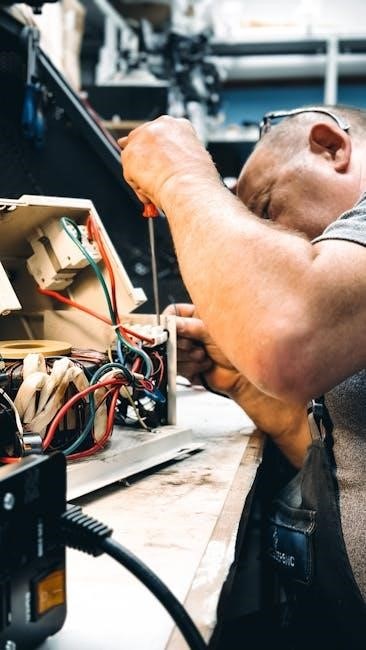
The evaporator fan circulates cold air throughout the refrigerator compartment. A malfunctioning evaporator fan motor results in uneven cooling, often with a warm refrigerator and a frozen freezer, or vice versa. Ice buildup within the refrigerator can also occur due to poor air circulation.
Diagnosis begins with listening for the fan’s operation. Silence indicates a potential problem. Accessing the evaporator fan usually requires removing interior shelves and panels. Inspect the fan blade for obstructions like ice or debris. Manually spin the blade; resistance suggests a faulty motor or seized bearings.
Testing with a multimeter can confirm motor continuity. A lack of continuity signifies a failed motor. Replacement involves disconnecting power, removing the old motor, and installing the new one, ensuring proper wiring connections. Regular cleaning and defrosting prevent ice buildup and extend the motor’s lifespan.
Door Gasket Leaks & Replacement
A compromised door gasket allows warm air to enter, forcing the refrigerator to work harder and increasing energy consumption. Signs include condensation buildup around the door frame, frost accumulation inside, and a noticeable temperature increase. Regularly inspect the gasket for cracks, tears, or stiffness.
Testing for leaks is simple: close the door on a piece of paper. If you can easily pull the paper out with the door closed, the gasket isn’t sealing properly. Cleaning the gasket with warm, soapy water can sometimes restore its seal by removing debris. However, significant damage necessitates replacement.
Replacement involves removing the old gasket (often held in place by clips or adhesive) and carefully installing the new one, ensuring a snug fit around the entire door frame. Proper sealing is crucial for maintaining optimal refrigerator performance and preventing food spoilage.

Ice Machine Troubleshooting (If Applicable)
Addressing issues like ice maker failures, water inlet valve problems, and blockages is vital for consistent ice production, ensuring optimal functionality and preventing disruptions.
Ice Maker Not Producing Ice
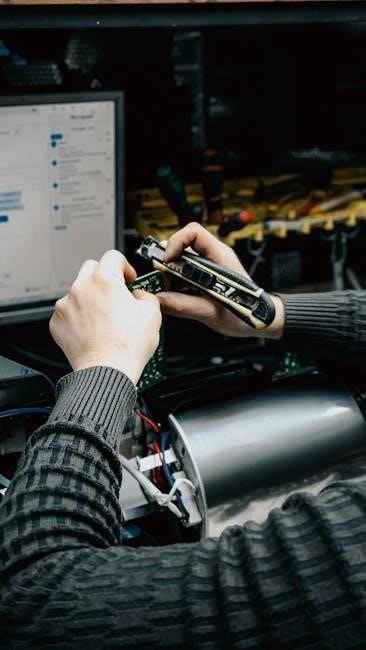
When your True refrigerator’s ice maker ceases production, several factors could be at play. Initially, verify the ice maker is actually switched ‘on’ within the refrigerator’s control panel – a surprisingly common oversight. Next, inspect the water supply line connecting to the refrigerator; ensure it isn’t kinked, frozen, or disconnected. A blocked water inlet valve is another frequent culprit, preventing water from reaching the ice maker.
Furthermore, examine the ice maker’s fill cycle. If water isn’t entering the ice mold, the water inlet valve may be faulty and require replacement. Conversely, if water is entering but not freezing, the freezer temperature might be insufficient; Confirm the freezer is set to the correct temperature (typically around 0°F or -18°C). A malfunctioning ice maker module, responsible for controlling the entire process, can also cause failures. Finally, check for ice blockages within the ice maker itself, obstructing the ejection process. Clearing these obstructions is often a simple fix.
Water Inlet Valve Problems
A malfunctioning water inlet valve is a common cause of ice maker and water dispenser issues in True refrigerators. This valve controls the flow of water into the ice maker and dispenser, and when it fails, water supply is disrupted. Symptoms include no ice production, slow ice production, or no water dispensing. Testing the valve requires a multimeter to check for continuity; a lack of continuity indicates a faulty valve needing replacement.
Before replacing, ensure the water supply to the refrigerator is shut off. Disconnect the water line from the old valve and connect it to the new one, ensuring a secure fit to prevent leaks. Electrical connections must also be properly reattached. A blocked valve, due to sediment buildup, can sometimes be cleared by flushing it with water, but replacement is often the more reliable solution. Always verify the new valve is compatible with your specific True refrigerator model.
Ice Blockages & Clearing Procedures
Ice blockages within the ice maker are frequently encountered in True refrigerators, hindering ice production. These blockages typically occur due to frozen water lines or ice accumulation within the ice maker mold. The first step is to manually defrost the ice maker by turning it off and allowing the ice to melt. Avoid using sharp objects to break up the ice, as this can damage the components.
Once defrosted, inspect the water inlet valve and water lines for any obstructions. A hairdryer (on a low setting) can gently thaw frozen lines. Regularly clearing ice buildup prevents future issues. If blockages persist, check the freezer temperature; excessively low temperatures can contribute to ice formation. Ensure proper airflow within the freezer isn’t restricted. Consistent preventative maintenance, including periodic defrosting, is crucial for optimal ice maker performance.

Refrigerant & Leak Detection
Identifying and addressing refrigerant leaks requires professional expertise; low levels necessitate recharge procedures. Achieving food security demands net-zero strategies, impacting environmental considerations.
Refrigerant Leaks: Identifying & Addressing
Detecting refrigerant leaks in a True refrigerator is crucial for optimal performance and preventing further damage. Initial signs often include reduced cooling efficiency, longer run times, and the potential formation of ice buildup on the evaporator coils. A trained technician utilizes specialized equipment, such as electronic leak detectors and UV dye, to pinpoint the leak’s exact location.
Addressing refrigerant leaks is not a DIY task; it requires EPA certification due to the environmental impact of refrigerants. Once located, the leak must be properly repaired – often involving brazing or replacing the damaged component. After the repair, the system needs to be evacuated to remove any remaining moisture and contaminants before being recharged with the correct type and amount of refrigerant.
Ignoring refrigerant leaks can lead to compressor failure and significant energy waste. Furthermore, releasing refrigerant into the atmosphere is harmful to the ozone layer and contributes to climate change, emphasizing the importance of professional handling and responsible disposal practices. Prioritizing leak detection and repair aligns with broader net-zero strategies for sustainable food systems.
Low Refrigerant Levels & Recharge Procedures (Professional Required)
Experiencing diminished cooling capacity in your True refrigerator often signals low refrigerant levels, though it doesn’t automatically indicate a leak. A qualified technician must accurately diagnose the cause – a leak is the most common, but component failures can also contribute. Simply adding refrigerant without addressing the root problem is a temporary fix and environmentally irresponsible.
Recharging procedures are complex and legally restricted, requiring EPA Section 608 certification. The process involves evacuating the system to remove air and moisture, followed by a precise refrigerant charge based on the unit’s specifications. Overcharging or undercharging can severely impact performance and damage the compressor.
Modern refrigerants have a high Global Warming Potential (GWP), making proper handling vital for sustainability. Technicians utilize recovery machines to reclaim refrigerant during service, preventing its release into the atmosphere. Aligning with net-zero strategies, responsible refrigerant management is crucial for both environmental protection and long-term refrigerator efficiency.
Preventative Maintenance
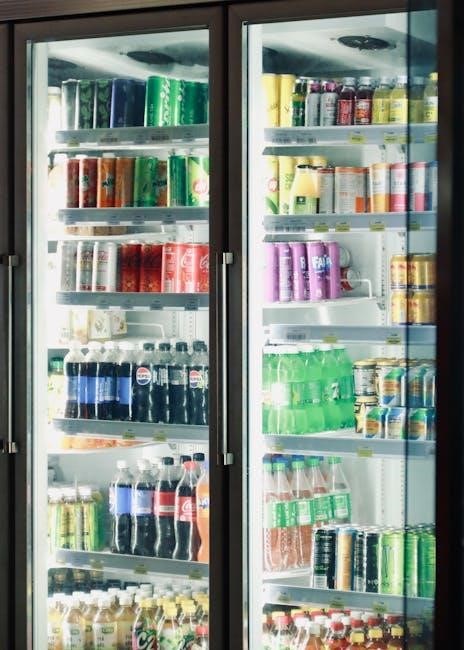
Regular cleaning, coil maintenance, and filter replacements are vital for True refrigerator longevity, aligning with sustainable food systems and net-zero strategies.
Regular Cleaning Schedules
Establishing a consistent cleaning schedule is paramount for maintaining the efficiency and lifespan of your True refrigerator. Weekly attention should be given to wiping down interior surfaces with a mild detergent and warm water, promptly addressing any spills to prevent bacterial growth and unpleasant odors. Monthly, a more thorough cleaning is recommended, including removing and washing shelves, drawers, and door bins.
Don’t neglect the exterior! Regularly wipe down the cabinet with a stainless steel cleaner (if applicable) to preserve its appearance. Crucially, incorporate coil cleaning into your schedule – ideally every six months, or more frequently in dusty environments – as dirty coils force the compressor to work harder, reducing efficiency and potentially leading to failure. A clean refrigerator operates more effectively, contributing to food safety and aligning with broader sustainability goals, like those driving the ‘Farm to Fork’ initiative. Consistent upkeep prevents issues and supports long-term performance.
Coil Cleaning Procedures
Dirty condenser coils significantly reduce refrigerator efficiency, forcing the compressor to overwork and potentially fail. Begin by always disconnecting power to the unit. Locate the condenser coils – typically on the back or bottom of the refrigerator. Use a vacuum cleaner with a brush attachment to gently remove loose dust and debris.
For stubborn dirt, a specialized coil cleaning brush can be invaluable. Avoid bending the fins! If using a fin comb, proceed with extreme caution. Alternatively, a soft brush and mild detergent solution can be applied, ensuring thorough rinsing afterward to prevent corrosion. Allow the coils to dry completely before restoring power. Regular coil cleaning, ideally every six months, is a vital preventative measure, supporting net-zero strategies and aligning with sustainable food system practices. This simple task extends the refrigerator’s life and reduces energy consumption.
Filter Replacement Guidelines
True refrigerators often utilize air and water filters crucial for maintaining optimal performance and food quality. Water filters typically require replacement every six months, or sooner if water flow diminishes noticeably. Air filters, responsible for removing odors and contaminants, should be checked monthly and replaced every three to six months, depending on usage and air quality.
Consult your refrigerator’s manual for the specific filter model number and replacement instructions. Incorrect filter installation can compromise filtration effectiveness. Regularly replacing filters supports a sustainable food system and contributes to net-zero strategies by ensuring efficient operation. Ignoring filter replacement can lead to reduced cooling capacity, unpleasant odors, and potential health concerns. Prioritize filter maintenance as a key preventative measure for long-term refrigerator health and food safety.